
The open highway offers an undeniable sense of freedom, but every seasoned motorist knows that this freedom is anchored entirely by four small patches of rubber connecting the vehicle to the tarmac. Imagine driving home late on a rainy evening, listening to the steady rhythm of the wipers against the glass, when a sudden queue of brake lights illuminates the dark road ahead. In that critical split second, your safety depends completely on the structural integrity and grip of your tread pattern. For many budget-conscious drivers, the sudden realization that their tyres are balding or failing an MOT test brings an immediate wave of financial anxiety. The standard reaction is often to assume that purchasing expensive, brand-new tyres is the solitary path to protecting your family, even if it leaves a massive dent in your monthly household budget. Fortunately, a highly practical and sustainable middle ground exists for motorists who value safety and financial prudence equally. Sourcing premium quality part worn tyres from a trusted, professional provider allows you to secure top-tier engineering without the staggering showroom price tag.
Navigating the modern automotive maintenance market can often feel like walking through a dense fog of conflicting advertisements and aggressive sales pitches. On one hand, large retail corporations push a fear-based narrative that suggests any tyre previously fitted to a wheel is inherently dangerous to use. On the other hand, everyday drivers frequently share stories on consumer forums about how switching to high-grade used tyres saved them hundreds of pounds while keeping their vehicles perfectly reliable. At G Tyres Ltd, we believe that complete transparency is the most effective tool to dispel these common misconceptions and empower consumers. When you pull back the curtain on how premium used rubber is sourced, selected, and supplied, you realise that buying quality part worn tyres is not a reckless gamble but a practical solution for many drivers. This comprehensive guide explores the realities of the industry, helping you understand how quality, tread depth, supplier standards, and informed purchasing decisions can help you balance safety, performance, and affordability without unnecessary compromise.
What Are Part Worn Tyres?
Part worn tyres are previously used tyres that still have substantial usable tread remaining and are suitable for continued road use when supplied in good condition. Many motorists are surprised to learn that not every tyre is removed because it has reached the end of its life. Across Europe and other regions, vehicles are often upgraded, leased fleets are renewed, or cars are dismantled while their tyres still retain significant remaining tread. This creates an opportunity for quality tyres to enter the part worn market rather than being discarded prematurely. For budget-conscious drivers, this can provide access to well-known premium brands at a much lower initial cost than purchasing new equivalents. The key factor is not simply whether a tyre has been used before, but how much usable life remains within it. A quality part worn tyre can still offer dependable performance, good grip, and a practical lifespan when chosen carefully from a reputable supplier. Understanding this distinction is essential because many misconceptions arise from assuming that all used tyres are worn out or unsafe.
The part worn tyre industry has grown considerably as drivers seek ways to manage rising vehicle ownership costs without sacrificing reliability. Fuel expenses, servicing bills, insurance premiums, and unexpected repairs already place pressure on household budgets, making tyre replacement another significant consideration. Rather than automatically choosing the cheapest new tyre available, many motorists explore alternatives that offer stronger overall value. At G Tyres Ltd, the focus is on supplying quality part worn tyres with a minimum tread depth of 4mm, helping customers access tyres that still have meaningful service life remaining. This approach appeals to drivers who want sensible savings while maintaining confidence in their vehicle’s road performance. It also supports a more sustainable approach to tyre use by extending the lifespan of products that still have plenty of useful tread available. When viewed through this practical lens, part worn tyres become less about compromise and more about making an informed purchasing decision based on value, condition, and suitability.
How Part Worn Tyres Enter the Market
Many people assume that part worn tyres come exclusively from worn-out vehicles, but the reality is often very different. A significant number originate from leased vehicles that are regularly upgraded long before their tyres are fully used. Fleet operators also replace tyres according to maintenance schedules rather than waiting until every millimetre of tread has been consumed. In some cases, imported vehicles arrive with tyres that do not match local market preferences, leading to their removal despite remaining in good condition. Premium vehicle owners may choose to replace tyres early to upgrade performance specifications or maintain uniform tyre sets. These situations create a supply of quality tyres that still possess substantial tread depth and usable lifespan. Rather than being discarded, these tyres can continue serving drivers who prioritise value and practicality. Understanding these sources helps challenge the misconception that every part worn tyre has reached the end of its useful life. Many have simply changed ownership before reaching their full potential.
Another important factor is the growing emphasis on reducing waste within the automotive industry. Millions of tyres are produced globally every year, and extending the lifespan of suitable products helps reduce unnecessary disposal. Drivers increasingly recognise the environmental benefits of using products responsibly rather than replacing them prematurely. This shift in consumer thinking has contributed to the popularity of part worn tyres among motorists seeking both affordability and sustainability. The key difference lies in selecting tyres from suppliers that maintain consistent quality standards rather than focusing solely on price. Reputable suppliers understand that customers want confidence, not uncertainty. By providing tyres with meaningful remaining tread and carefully selected stock, they help bridge the gap between cost savings and practical performance. This is why understanding where part worn tyres come from is so important. Their origins often reveal that many quality tyres still have plenty to offer long after their first installation.
Why Many Drivers Choose Part Worn Tyres
The primary reason many drivers choose part worn tyres is simple: affordability. Replacing multiple tyres at once can create a substantial expense, particularly when premium brands are involved. For families managing household budgets, students maintaining their first vehicles, or drivers facing unexpected repair costs, finding a cost-effective alternative becomes highly attractive. Part worn tyres provide an opportunity to reduce initial expenditure while still obtaining tyres from respected manufacturers. This balance between cost and quality is one of the strongest reasons the market continues to grow. Rather than automatically purchasing the cheapest new option available, many motorists prefer to invest in a higher-quality tyre that has already completed part of its service life. The result can often be a more satisfying combination of performance, durability, and value. This practical approach explains why discussions about part worn tyres continue to appear across motoring forums, review platforms, and consumer communities.
Another reason for their popularity is the flexibility they offer in different driving situations. Not every driver covers extensive annual mileage or requires the longest possible tyre lifespan. Some vehicles are used primarily for local commuting, occasional journeys, or short-term ownership periods. In these circumstances, spending a large amount on brand-new tyres may not always represent the most practical financial decision. Drivers frequently report that quality part worn tyres allow them to maintain roadworthiness without placing unnecessary strain on their finances. At G Tyres Ltd, customers often seek this balance between affordability and reliability, particularly when replacing multiple tyres at the same time. The ability to access premium tyre brands with substantial remaining tread makes part worn tyres an appealing solution for those focused on value. Ultimately, their popularity stems from providing motorists with greater choice, allowing them to select an option that aligns with both their driving needs and financial priorities.
Why Budget-Conscious Drivers Consider Part Worn Tyres
For many motorists, tyre replacement is rarely a planned expense. A routine service, MOT inspection, or visual check may suddenly reveal that one or more tyres need replacing sooner than expected. When this happens alongside rising fuel costs, insurance renewals, and regular vehicle maintenance expenses, the financial impact can feel overwhelming. This is one of the main reasons budget-conscious drivers begin exploring alternatives to brand-new tyres. The goal is not simply to spend less money but to achieve the best possible value from every pound invested in vehicle maintenance. Many drivers discover that part worn tyres provide a practical middle ground between premium performance and affordability. Rather than choosing the cheapest new tyre available, they gain access to recognised tyre brands that often offer superior engineering, durability, and road handling characteristics. This approach appeals to motorists who want dependable performance without stretching their monthly budget beyond what is comfortable. The increasing popularity of part worn tyres reflects a broader shift in consumer behaviour, where people actively seek smart purchasing decisions rather than automatically selecting the most expensive option available.
Financial responsibility does not mean compromising on quality. In fact, many drivers become more selective when working within a budget because every purchase must justify its cost. This mindset often leads motorists to research tyre options more thoroughly, compare available choices, and consider long-term value rather than focusing solely on upfront pricing. Real-world discussions across motoring forums frequently highlight how drivers have successfully reduced tyre replacement costs while maintaining confidence in their vehicles. Some consumers even report choosing premium-brand part worn tyres over entry-level new alternatives because they believe the overall driving experience remains superior. At G Tyres Ltd, this value-focused approach is reflected in the supply of quality part worn tyres that retain meaningful tread life. For many customers, the appeal lies not only in immediate savings but also in the ability to access trusted tyre brands that might otherwise exceed their budget. As living costs continue to rise, drivers increasingly view tyre purchases through a practical lens, prioritising affordability, reliability, and informed decision-making.
Rising Vehicle Maintenance Costs
Owning and maintaining a vehicle has become significantly more expensive over the past decade. Drivers today face a wide range of unavoidable costs that extend far beyond fuel alone. Insurance premiums, servicing requirements, road tax, MOT testing, replacement parts, and unexpected repairs all contribute to the overall cost of vehicle ownership. When tyres require replacement, the expense can feel particularly frustrating because it often arrives without warning. A driver may feel that their vehicle is operating perfectly well, only to discover during an inspection that tyre wear has reached a point where replacement is necessary. This creates immediate pressure to find a solution that balances safety with affordability. For households already managing tight budgets, replacing multiple tyres at once can represent a significant financial challenge. As a result, many motorists begin researching alternative options that allow them to maintain roadworthiness without creating unnecessary strain on their finances. This search frequently leads them towards the part worn tyre market, where quality options may be available at a substantially lower cost than new equivalents.
The growing interest in cost-effective vehicle maintenance reflects broader economic realities affecting drivers across the country. Consumers have become increasingly focused on value because every automotive expense competes with other household priorities. Whether supporting a family, managing commuting costs, or maintaining multiple vehicles, motorists are looking for practical ways to control expenditure. This explains why searches related to affordable tyre solutions continue to grow. Rather than viewing part worn tyres as a last resort, many drivers now consider them a sensible component of a broader financial strategy. They understand that saving money on tyres does not necessarily mean accepting inferior performance when the tyres are sourced from reputable suppliers. The emphasis has shifted from spending the most money to making the most informed decision. This change in consumer behaviour has helped transform perceptions of part worn tyres, positioning them as a realistic option for drivers seeking dependable performance while managing the increasing costs associated with vehicle ownership.
The Appeal of Lower Upfront Costs
One of the strongest advantages associated with part worn tyres is the immediate reduction in purchase costs. When drivers compare the price of replacing four tyres with brand-new alternatives, the difference can be substantial. This saving becomes particularly important when multiple tyres need replacing at the same time. A sudden requirement for four new premium tyres can place considerable pressure on a household budget, forcing motorists to reconsider their options. Part worn tyres provide an alternative that allows drivers to address safety concerns without making a large financial commitment. The lower initial investment gives consumers greater flexibility and often reduces the stress associated with unexpected maintenance expenses. For many drivers, this affordability creates breathing room within their monthly finances while still enabling them to keep their vehicles roadworthy and reliable. This practical benefit explains why cost-conscious motorists frequently explore the part worn tyre market when seeking solutions that align with their financial circumstances.
However, the appeal extends beyond simple price comparisons. Many drivers recognise that value is determined by more than the amount paid at the point of purchase. They evaluate factors such as remaining tread depth, tyre brand reputation, expected lifespan, and overall performance. A quality part worn tyre with substantial remaining tread may offer excellent value compared with a low-cost new tyre of unknown quality. This perspective is increasingly common among informed motorists who prioritise smart spending rather than automatic assumptions about new products being superior. At G Tyres Ltd, customers often seek tyres that strike the right balance between affordability and dependable performance. Their goal is not merely to spend less but to maximise the return on their investment. By focusing on value rather than simply cost, drivers can make purchasing decisions that support both their financial objectives and their driving requirements. This balanced approach helps explain why part worn tyres continue to attract attention from practical and budget-conscious vehicle owners.
Access to Premium Brands at a Lower Price Point
Premium tyre manufacturers invest heavily in research, development, testing, and engineering to create products that deliver strong performance across a range of driving conditions. Brands such as Michelin, Continental, Bridgestone, Pirelli, and Dunlop have built their reputations through decades of innovation and consistent quality. While many drivers appreciate the benefits associated with these brands, the purchase price of brand-new premium tyres can be difficult to justify within a limited budget. This is where part worn tyres create a unique opportunity. Instead of choosing between affordability and recognised quality, motorists may be able to access premium-brand tyres at a significantly lower cost. For many drivers, this combination of performance and value is highly attractive. They gain the reassurance associated with established tyre manufacturers while reducing their upfront expenditure. This practical advantage is frequently highlighted in online discussions where drivers compare their experiences with different tyre options and share recommendations based on real-world usage.
The ability to purchase premium-brand part worn tyres often changes the conversation from simply finding the cheapest replacement to finding the best overall value. Many motorists feel more confident driving on a recognised premium tyre with substantial remaining tread than on an unfamiliar budget tyre purchased solely because it was new. While every tyre purchase should be assessed on its individual condition and suitability, the opportunity to access respected manufacturers at a lower price point remains a major attraction. At G Tyres Ltd, the availability of premium tyre brands is one reason many customers choose part worn tyres as part of their vehicle maintenance strategy. By combining affordability with established engineering standards, these tyres help drivers achieve a balance that would otherwise be difficult to obtain. For budget-conscious motorists who want quality without excessive expenditure, premium-brand part worn tyres often represent one of the most compelling options available in today’s tyre market.
Are Part Worn Tyres Safe?
Safety is the first concern that enters most drivers’ minds when they hear the term part worn tyres. This reaction is understandable because tyres are one of the most important safety components on any vehicle. They influence braking performance, cornering stability, wet-weather grip, and overall control. However, many assumptions surrounding part worn tyres are driven more by misconceptions than by facts. The reality is that safety depends on the condition of the tyre itself rather than whether it has previously been fitted to another vehicle. A quality tyre with substantial remaining tread, no structural defects, and consistent wear can continue to provide dependable performance for many miles. This is why experienced motorists often focus on tread depth, sidewall condition, tyre age, and supplier reputation rather than automatically dismissing all used tyres. Across motoring forums and driver communities, many users report positive experiences with quality part worn tyres sourced from trusted suppliers. Their feedback often highlights that careful selection and supplier standards play a far greater role in safety than simply whether a tyre is new or previously used.
Understanding the difference between quality stock and poor-quality stock is essential when evaluating safety. Not all tyres entering the market offer the same level of value or reliability. This is why purchasing from an established supplier matters so much. At G Tyres Ltd, the emphasis is placed on supplying quality part worn tyres with a minimum tread depth of 4mm, helping drivers access products that still retain meaningful usable life. The focus should always be on condition rather than assumptions. A tyre that has been removed early from a premium vehicle may still possess excellent performance characteristics, while a poorly maintained tyre should be avoided regardless of its origin. Safety-conscious motorists understand that responsible purchasing decisions involve inspection, research, and supplier trust. Rather than viewing part worn tyres as automatically safe or unsafe, it is more accurate to see them as products that require proper evaluation. When approached with the right knowledge, drivers can make informed decisions that support both safety and affordability.
What Determines the Safety of a Part Worn Tyre?
Several factors determine whether a part worn tyre remains suitable for continued road use. One of the most important considerations is tread depth because it directly affects grip, water displacement, and braking performance. A tyre with substantial remaining tread generally offers better road contact than one approaching the end of its usable life. Sidewall condition is equally important because cuts, cracks, bulges, or structural damage can compromise safety regardless of tread depth. Drivers should also pay attention to wear patterns across the tyre. Even wear often indicates that the tyre has been used on a properly maintained vehicle, while uneven wear may suggest alignment issues or suspension problems. Another factor is tyre age. Although tread depth receives most of the attention, the condition of the rubber itself also matters. Over time, exposure to environmental conditions can influence tyre performance. These factors combine to create a more complete picture of a tyre’s suitability than simply looking at its appearance from a distance.
Safety-conscious buyers understand that evaluating a tyre involves more than checking a single measurement. It requires considering the tyre as a complete product. This is why experienced drivers frequently recommend purchasing from suppliers that provide transparent information about their stock. When consumers know what to look for, they are better equipped to make informed decisions. At G Tyres Ltd, supplying quality tyres with meaningful remaining tread helps customers focus on value without losing sight of safety considerations. Drivers often compare tyre shopping to purchasing a used vehicle. The important question is not whether the vehicle has been owned before but whether it has been maintained properly and remains in good condition. The same principle applies to tyres. A well-preserved tyre with strong structural integrity and adequate tread can continue to perform effectively long after its first installation. Understanding these factors helps motorists move beyond common myths and evaluate tyres based on evidence rather than assumptions.
Common Safety Concerns Drivers Have
One of the most common concerns surrounding part worn tyres is uncertainty about their previous history. Drivers often wonder where the tyre originated, how it was used, and whether it experienced conditions that could affect its performance. This concern is understandable because tyres play such a critical role in vehicle safety. Questions about previous ownership, mileage, and maintenance frequently appear in online discussions and consumer reviews. Another concern involves hidden damage. Many motorists worry that structural issues could exist beneath the surface, making it difficult to judge a tyre’s condition based solely on appearance. This fear is often amplified by stories shared online, although many of these discussions also emphasise the importance of choosing a reputable supplier. Safety concerns are rarely focused on the concept of a part worn tyre itself. Instead, they usually relate to uncertainty about quality, condition, and supplier standards. Understanding this distinction is important because it shifts attention towards factors that can actually be evaluated and managed.
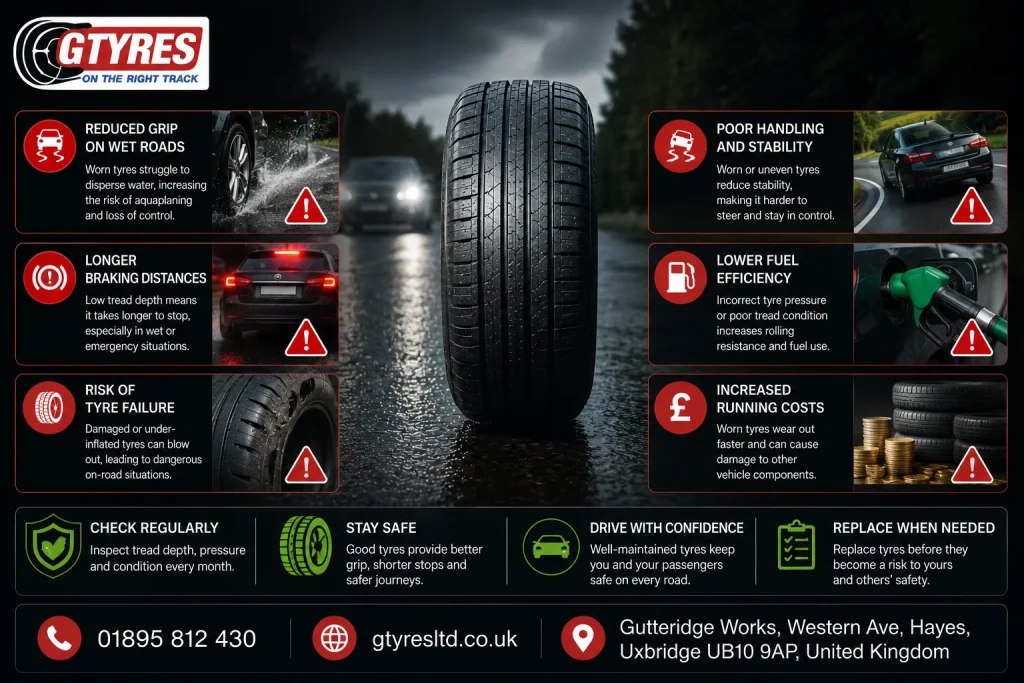
Another frequently discussed concern is wet-weather performance. Drivers naturally want reassurance that their tyres can provide reliable grip during heavy rain and challenging road conditions. This is where tread depth becomes particularly relevant because it influences a tyre’s ability to disperse water effectively. Discussions across motoring forums often reveal that drivers prioritise tyres with substantial remaining tread because they associate this with stronger performance and longer service life. At G Tyres Ltd, maintaining a minimum tread depth of 4mm helps provide customers with tyres that still retain meaningful usability. Many experienced motorists point out that buying decisions should focus on objective factors rather than fear-based assumptions. Just as consumers evaluate the condition of a used vehicle before purchasing, they should assess tyres based on measurable characteristics. By focusing on tread depth, wear patterns, sidewall condition, and supplier reputation, drivers can address many of the concerns that commonly arise when considering part worn tyres. This practical approach encourages informed decision-making rather than unnecessary anxiety.
Why Supplier Quality Matters
When discussing part worn tyres, supplier quality is arguably one of the most important factors influencing customer confidence. Even the best tyre can create concerns if buyers are uncertain about where it came from or how it was selected. This is why reputable suppliers play such a significant role in the purchasing process. Experienced motorists often emphasise that the quality of the supplier matters as much as the quality of the tyre itself. Consumers want transparency, consistency, and confidence that the products they purchase meet appropriate standards. A trusted supplier helps remove uncertainty by providing clear information about tread depth, tyre condition, and available stock. This level of transparency allows customers to make decisions based on facts rather than assumptions. Online reviews frequently show that positive buying experiences are closely linked to supplier professionalism. Drivers value businesses that provide honest information and maintain consistent quality across their inventory. These factors contribute significantly to overall customer satisfaction and trust.
At G Tyres Ltd, supplying quality part worn tyres is built around the principle that customers deserve reliable products and clear information. Many motorists purchasing part worn tyres are not simply searching for the lowest price. They are looking for value, dependability, and confidence in their purchase. This is why supplier standards remain such an important part of the conversation. A trusted supplier helps customers focus on practical considerations such as tread depth, tyre condition, and suitability for their vehicle rather than worrying about uncertainty. In many ways, the supplier acts as a bridge between affordability and confidence. Drivers want reassurance that the tyres they purchase still have useful life remaining and can continue to perform effectively. By maintaining consistent standards and prioritising quality stock, reputable suppliers help create a positive experience that benefits both safety-conscious and budget-conscious motorists. This is one of the main reasons supplier reputation continues to feature so prominently in discussions about part worn tyres.
Signs of a Good Quality Part Worn Tyre
Identifying a good quality part worn tyre starts with examining its overall condition. One of the first things drivers should notice is the tread itself. A tyre with substantial remaining tread generally offers better value because it retains more usable life. Even tread wear across the tyre is another positive sign because it often suggests that the tyre was fitted to a properly maintained vehicle. Sidewalls should appear free from visible cuts, cracks, bulges, or other signs of damage. These visual indicators provide important clues about how the tyre has been used and maintained. Drivers should also pay attention to the general appearance of the tyre. A well-preserved tyre typically demonstrates consistent wear patterns and a professional presentation. Although appearance alone should never be the sole factor in a purchasing decision, it contributes to the overall assessment of quality. These practical observations help motorists make informed choices rather than relying on assumptions.
Another sign of quality is transparency from the supplier. Drivers appreciate businesses that clearly communicate information about their stock and help customers understand what they are purchasing. At G Tyres Ltd, quality part worn tyres are supplied with a minimum tread depth of 4mm, helping customers access tyres that still have meaningful service life available. This focus on usable tread supports value-driven purchasing decisions while maintaining practical performance expectations. Many experienced motorists compare tyre selection to choosing any other used product. They look for evidence of care, consistency, and remaining usefulness rather than focusing solely on age or previous ownership. A good quality tyre should inspire confidence through its condition and suitability for continued use. When combined with supplier transparency and proper evaluation, these characteristics help drivers identify tyres that represent strong overall value. Ultimately, recognising the signs of quality allows motorists to approach the part worn tyre market with greater confidence and a clearer understanding of what truly matters.
Are Part Worn Tyres Legal in the UK?
One of the most frequently asked questions about part worn tyres concerns legality. Many drivers assume that because a tyre has been previously used, there must be legal restrictions preventing its sale or use on public roads. In reality, part worn tyres are legal in the UK when they meet the relevant requirements and are suitable for continued road use. This often surprises motorists who have only encountered negative headlines or misleading marketing claims. The legality of part worn tyres reflects the fact that many tyres still retain significant usable life long after they are removed from their original vehicles. Rather than forcing perfectly usable products into premature disposal, regulations allow suitable tyres to continue serving motorists when supplied responsibly. Understanding this legal position is important because it helps drivers make informed decisions based on facts rather than assumptions. The key issue is not whether the tyre is new or previously used, but whether it remains suitable for safe use on the road. This distinction forms the foundation of the UK’s approach to part worn tyres.
Many consumers are unaware that part worn tyres have existed within the UK automotive market for decades. Their continued presence reflects ongoing demand from drivers seeking practical and affordable tyre solutions. Across motoring forums and consumer discussions, motorists frequently express surprise when they learn that part worn tyres are not only legal but widely used by responsible drivers throughout the country. This discovery often changes perceptions and encourages people to evaluate tyres based on condition rather than assumptions. At G Tyres Ltd, transparency plays an important role in helping customers understand the realities of the part worn tyre market. Providing quality tyres with a minimum tread depth of 4mm helps ensure that customers have access to products that still offer meaningful service life. Ultimately, legality is only one aspect of the discussion. Drivers should also focus on value, quality, supplier reputation, and suitability for their individual driving needs. When viewed in this broader context, part worn tyres become a practical option rather than a source of uncertainty.
UK Regulations for Part Worn Tyres
The UK has established regulations that govern the sale and use of part worn tyres. These rules exist to help ensure that tyres offered to motorists remain suitable for continued road use. The purpose of these regulations is straightforward: to prevent unsafe products from entering the market while allowing suitable tyres to continue serving drivers. This approach recognises that many tyres are removed from vehicles long before their usable life has been exhausted. Regulations focus on factors such as tread condition, structural integrity, and overall suitability rather than simply whether the tyre has been previously fitted to another vehicle. This practical framework allows consumers to benefit from affordable tyre options while maintaining confidence in the products they purchase. Understanding these regulations helps motorists approach the market with greater clarity and less uncertainty. Instead of relying on rumours or assumptions, drivers can focus on evaluating tyres based on measurable characteristics that directly affect performance and reliability.
For consumers, the most important takeaway is that legal compliance provides a foundation rather than a complete buying strategy. A tyre may satisfy legal requirements while still differing significantly in overall quality and value compared with another option. This is why experienced motorists recommend evaluating condition, tread depth, wear patterns, and supplier standards alongside legal considerations. At G Tyres Ltd, quality remains a priority because customers want more than simple compliance. They want tyres that deliver practical performance and meaningful remaining service life. Discussions across automotive communities often highlight this distinction, with drivers explaining that legal requirements represent a minimum benchmark rather than the sole indicator of value. By understanding both the legal framework and the practical considerations involved in tyre selection, consumers can make decisions that align with their safety expectations and financial objectives. This balanced approach allows motorists to view part worn tyres as a legitimate and practical option within the broader tyre market.
What Buyers Should Know Before Purchasing
Before purchasing part worn tyres, drivers should focus on gathering as much information as possible about the product they are considering. While affordability is often a primary motivation, value should always take precedence over price alone. One of the most important factors to assess is tread depth because it provides insight into the tyre’s remaining lifespan. A tyre with substantial remaining tread typically offers greater long-term value than one approaching the end of its usable life. Buyers should also pay attention to overall condition, ensuring that the tyre appears well maintained and free from obvious signs of damage. Many experienced motorists recommend treating tyre purchases in the same way they would approach any significant automotive investment. Rather than making decisions based solely on cost, they evaluate quality, suitability, and expected performance. This mindset helps consumers avoid common mistakes and increases the likelihood of making a purchase that delivers both reliability and value.
Another important consideration is the reputation of the supplier. Consumer reviews, recommendations, and industry experience can provide useful insights into the quality of products and customer service available. Drivers often report that supplier transparency contributes significantly to their overall confidence during the purchasing process. At G Tyres Ltd, customers benefit from access to quality part worn tyres supplied with a minimum tread depth of 4mm, helping them focus on products that still offer meaningful usability. This emphasis on quality and transparency supports informed decision-making and reduces uncertainty. Buyers should also consider their individual driving habits, vehicle type, and expected mileage when selecting tyres. A solution that works well for one driver may not necessarily be the best option for another. By taking the time to assess these factors carefully, motorists can make purchasing decisions that align with both their practical requirements and their financial priorities.
Why Legal Compliance Matters
Legal compliance matters because it establishes a baseline level of confidence within the tyre market. Without clear standards, consumers would face far greater uncertainty when evaluating tyre options. Regulations help create consistency by ensuring that tyres offered for sale meet specific requirements related to condition and suitability. For drivers, this provides reassurance that the market operates within an established framework rather than relying entirely on individual judgment. However, compliance should be viewed as the starting point rather than the final destination. Just as two vehicles can both be roadworthy while offering very different levels of comfort and performance, two tyres can satisfy legal requirements while differing significantly in overall value. This is why informed consumers look beyond simple compliance and evaluate factors such as tread depth, tyre condition, and supplier reputation. Understanding this distinction helps motorists make more informed decisions and avoid focusing on legality alone.
The importance of compliance also extends to consumer confidence. Drivers want reassurance that the products they purchase have been selected responsibly and remain suitable for continued use. At G Tyres Ltd, maintaining quality standards helps support this confidence by providing customers with tyres that offer meaningful remaining service life. Discussions across motoring forums frequently reveal that drivers feel more comfortable purchasing part worn tyres when they understand both the legal framework and the practical considerations involved. This combination of knowledge and transparency helps remove much of the uncertainty that often surrounds the topic. Ultimately, legal compliance matters because it forms part of a larger process that includes quality assessment, supplier trust, and informed purchasing decisions. When these elements work together, drivers are better positioned to find tyre solutions that balance affordability, reliability, and peace of mind.
Part Worn Tyres vs New Tyres: Which Offers Better Value?
One of the most common debates among motorists centres on whether part worn tyres or new tyres provide better overall value. The answer depends largely on individual priorities, driving habits, and budget considerations. New tyres offer the advantage of maximum lifespan because they begin their service life with full tread depth and no previous usage history. For drivers covering extremely high annual mileage, this may represent a worthwhile investment. However, value is not determined solely by lifespan. Many motorists evaluate purchases based on the balance between cost, performance, and expected usability. This is where part worn tyres often enter the conversation. By providing access to quality tyre brands at a lower initial cost, they create an alternative path for drivers seeking affordability without automatically accepting lower-quality products. Rather than focusing exclusively on which option lasts longest, practical consumers often compare how much value they receive for the money spent. This broader perspective helps explain why part worn tyres continue to attract interest from budget-conscious motorists.
The discussion becomes even more interesting when premium-brand part worn tyres are compared with lower-cost new alternatives. Many drivers report that they prefer the driving characteristics associated with recognised premium manufacturers, even when those tyres have already completed part of their lifespan. This perspective reflects a growing emphasis on value rather than simple product categories. At G Tyres Ltd, customers frequently explore part worn tyres because they want access to quality products without committing to the full cost of brand-new premium tyres. The decision ultimately depends on individual circumstances, including budget, expected mileage, and personal preferences. Both options offer advantages, and neither can be described as universally superior. Instead, the most sensible approach is to evaluate each option based on its ability to meet specific needs. By focusing on value rather than assumptions, drivers can make decisions that support both their financial objectives and their driving requirements.
Final Words: Making a Smart and Informed Choice with Part Worn Tyres
Choosing the right tyres is ultimately about finding the best balance between safety, performance, and affordability. While many drivers automatically assume that brand-new tyres are the only reliable option, the reality is often more nuanced. Quality part worn tyres can provide a practical alternative for motorists who want to manage vehicle maintenance costs without compromising on roadworthiness. As explored throughout this guide, the key factors are not simply whether a tyre has been used before but its overall condition, remaining tread depth, wear pattern, and the reputation of the supplier. Many drivers are surprised to discover that premium-brand part worn tyres can offer excellent value, particularly when compared with low-cost new alternatives. By focusing on quality and making informed purchasing decisions, motorists can often achieve significant savings while maintaining confidence in their vehicle’s performance. This is why part worn tyres continue to be a popular choice among budget-conscious drivers across the UK.
At G Tyres Ltd, we understand that every driver has different priorities and financial considerations. Our aim is to provide quality part worn tyres with a minimum tread depth of 4mm, helping customers access dependable tyre solutions that still offer meaningful service life. Whether you are replacing a single tyre, managing the cost of replacing multiple tyres, or simply exploring affordable alternatives, understanding the facts allows you to make better decisions. Rather than relying on myths or assumptions, focus on measurable factors such as tread depth, tyre condition, and supplier transparency. When these elements come together, part worn tyres can become a smart, safe, and cost-effective option for many motorists. By choosing carefully and purchasing from a trusted supplier, you can enjoy greater value while keeping your vehicle ready for the road ahead.
Ready to Save Up to 70% on Quality Tyres?
Looking for safe, affordable part worn tyres with minimum 4mm tread for everyday UK driving today.
Frequently Asked Questions
Yes, part worn tyres can be safe for everyday driving when they are in good condition and purchased from a reputable supplier. Factors such as tread depth, sidewall condition, tyre age, and overall wear should always be considered before making a purchase.
Many drivers choose part worn tyres because they offer a more affordable alternative to brand-new tyres. They can also provide access to premium tyre brands at a lower cost, making them an attractive option for budget-conscious motorists.
The lifespan of a part worn tyre depends on its remaining tread depth, driving habits, road conditions, vehicle maintenance, and overall tyre quality. Tyres with greater remaining tread generally provide a longer service life.
Before purchasing a part worn tyre, check the tread depth, sidewall condition, tyre age, and wear pattern. It is also important to buy from a trusted supplier that provides clear information about the tyre's condition.
Many motorists believe premium-brand part worn tyres offer excellent value because they combine recognised engineering quality with a lower purchase price. When the tyre is in good condition and has substantial tread remaining, it can be a practical alternative to lower-cost new tyres.